
Iran Monetizes Protest Suppression With New B2B SaaS Offering
TEHRAN — Iran has launched an international consulting firm to monetize what officials call “best-in-class expertise in civil unrest resolution,” with Saudi Arabia signing on as the inaugural client in what both nations described as “a historic partnership that transcends regional differences.”
The firm’s flagship offering, “From Chaos to Silence: A 72-Hour Framework,” promises governments “measurable outcomes in public order restoration” following Iran’s elimination of approximately 12,000 protesters earlier this month.
“We’ve identified a significant market gap,” said Ministry of Interior spokesman Hossein Dehghan at Tuesday’s launch event. “Many governments lack the institutional knowledge to deliver sustainable solutions to dissent challenges. We’re here to help.”
Service tiers include:
- Basic Package ($2.4M): Internet blackout protocols, VPN jamming, cell tower shutdown coordination
- Professional Package ($8.7M): Everything in Basic, plus coordinated security force deployment and live suppression monitoring
- Enterprise Solution ($15M): Full-spectrum support including post-incident narrative management, international media consultation, and the firm’s proprietary “Sustained Digital Blackout” methodology
Saudi Arabia has reportedly purchased the Enterprise Solution. “When it comes to managing stakeholder expectations around accountability, we found tremendous alignment with our Iranian colleagues,” said Prince Khalid bin Salman at a Dubai signing ceremony, standing beside his Iranian counterpart. “This partnership is bigger than Yemen, bigger than sectarian divisions.”
The announcement triggered immediate competition from France, which launched a counter-initiative Wednesday. The French Interior Ministry’s new “Protest Optimization Academy” will train activists in what officials called “the sophisticated art of productive civil resistance.”
Course modules include: Advanced Highway Blockade Strategy, Urban Tractor Deployment, Tire Fire Logistics, and Indefinite Strike Sustainment.
“Americans don’t even know how to properly riot,” said Interior Minister Bruno Retailleau. “They show up for a few hours and leave. We shut down entire sectors for months. That’s craft.”
The Academy’s promotional materials feature testimonials from farmers who dumped manure on government buildings and yellow vest protesters who forced Macron to cancel international summits. Tuition is waived for participants who can demonstrate “commitment to resistance beyond the point where normal societies would have simply negotiated.”
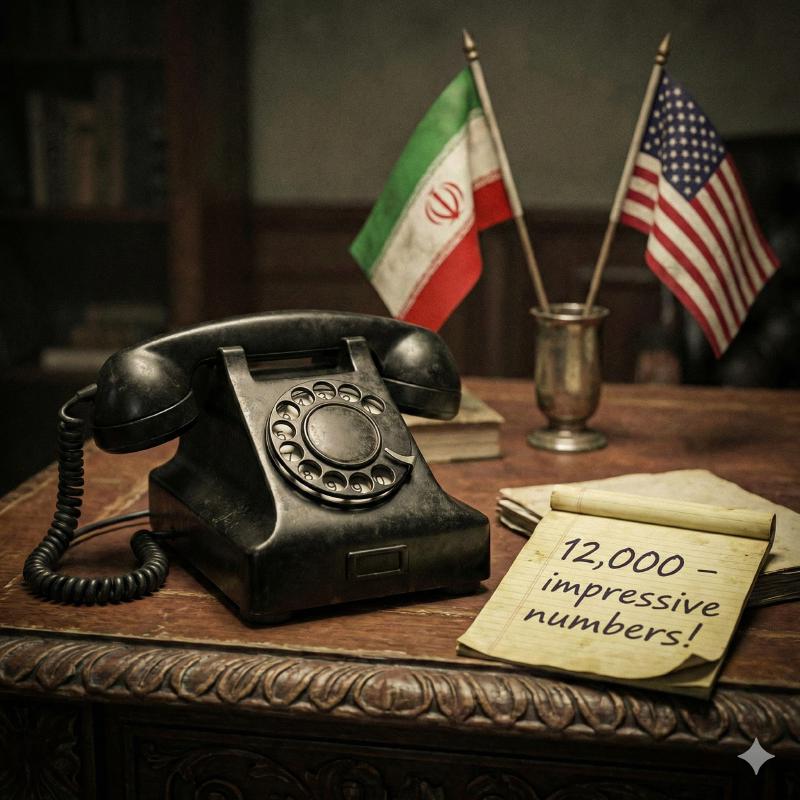
Meanwhile, a leaked phone call revealed former President Trump congratulating Tehran on their “incredible numbers.”
“Twelve thousand in three days? Even we were impressed,” Trump reportedly told Khamenei’s chief of staff. “I tried something on January 6th but only managed a handful. You guys are the real deal.”
The call came hours after Khamenei condemned Trump’s National Guard deployments as “state violence against innocent demonstrators.” When asked about the apparent contradiction, Iranian UN Ambassador Amir Saeid Iravani said his government was “simply holding America to the human rights standards the West claims to champion.”
“Our domestic approach to public order maintenance,” he added, “operates under a completely different contextual framework.”
Iran has since submitted a UN Security Council resolution condemning U.S. “state brutality” and demanding sanctions against Trump administration officials. The resolution, co-sponsored by Russia, China, and Venezuela, cites the Geneva Conventions while making no reference to Iranian operations.
At press time, Iran’s consulting firm had received inquiries from thirty-seven governments, France’s Protest Academy had a six-month waitlist, and protesters in all three countries were invited to submit feedback through their respective governments’ complaint portals, which were currently offline.
satire iran geopolitics human-rights